What Cold Does to Siding
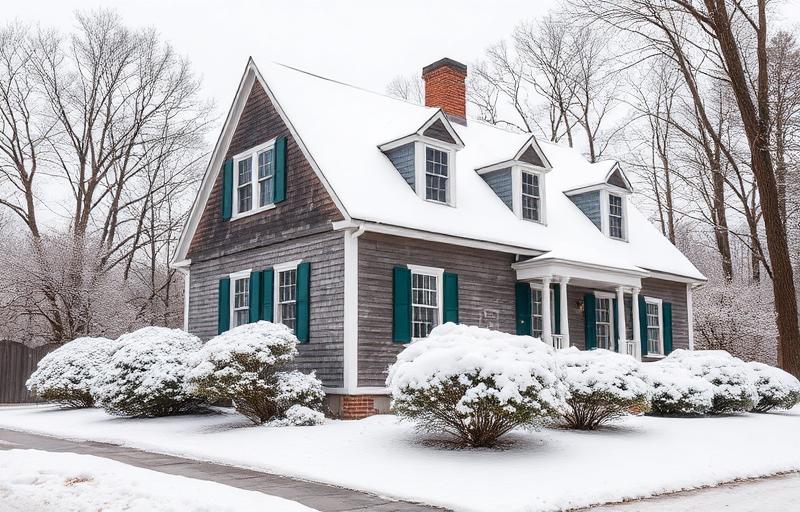
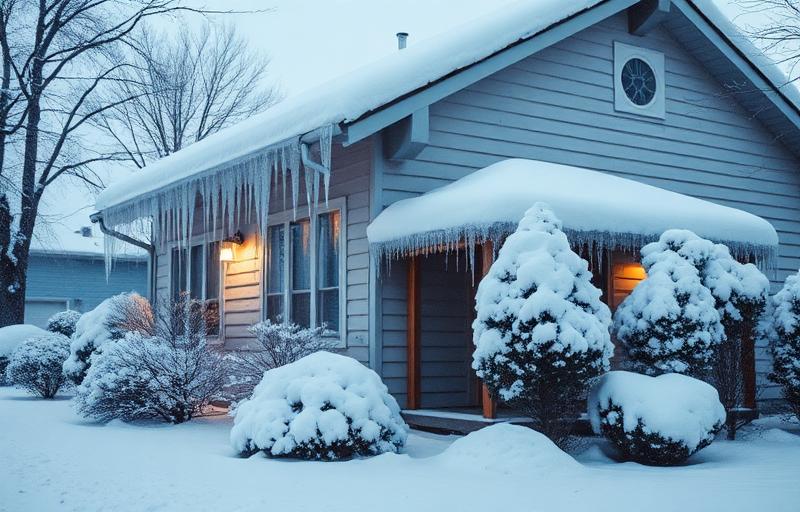
When water gets into small cracks and freezes, it expands with enough force to break concrete. This freeze-thaw cycle is the number one cause of siding failure in cold states. It cracks vinyl, splits wood, and can damage improperly installed fiber cement. Any siding in a cold climate needs to be installed with expansion gaps and proper moisture management.
Fiber Cement in Cold Climates
Fiber cement handles cold weather well, especially James Hardie HZ5 products engineered specifically for climates with freeze-thaw cycles. The key is correct installation with proper fastening patterns and caulking. Improperly installed fiber cement can absorb moisture and crack in freezing conditions.
Insulated Vinyl in Cold Climates
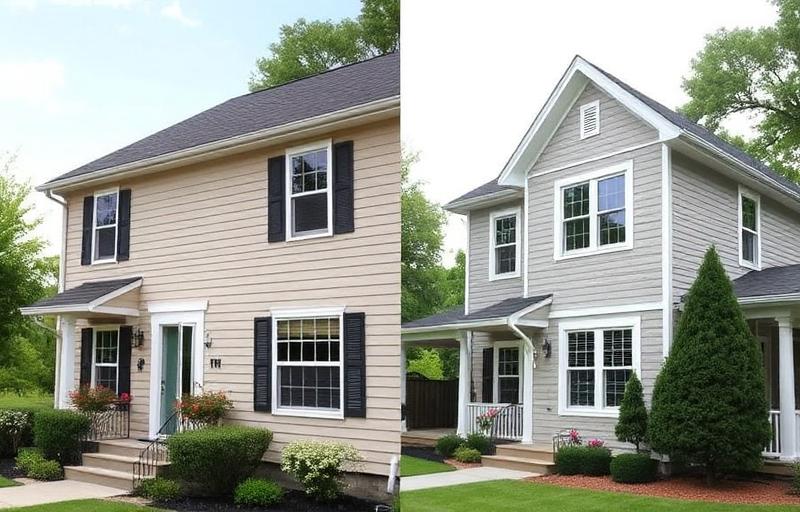
Insulated vinyl siding adds R-value to your walls and helps reduce energy consumption. The foam backing also makes the panels more rigid and impact-resistant. For cold climates where energy efficiency is a priority, insulated vinyl is a smart, affordable choice.
Metal Siding in Cold Climates
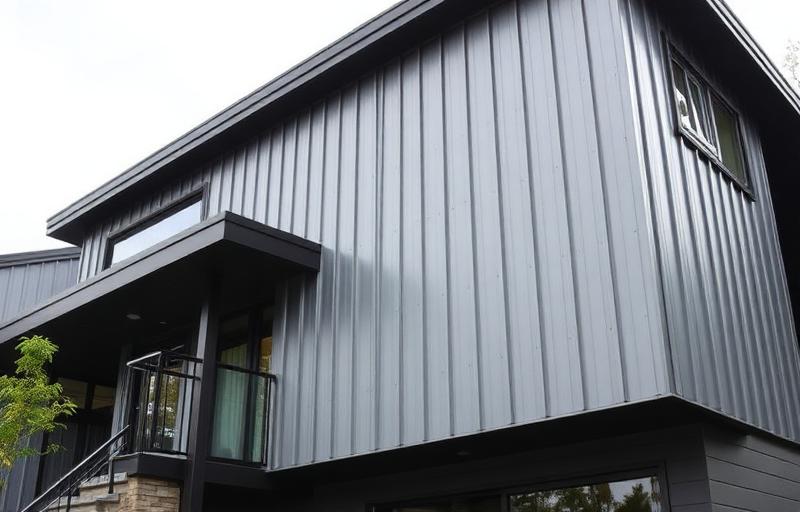
Steel and aluminum handle cold weather without any issues. Metal does not absorb moisture, does not crack, and is unaffected by freeze-thaw cycles. With proper insulation behind the panels, metal siding performs exceptionally in the coldest climates. The only consideration is ensuring the insulation board prevents condensation.
What to Avoid in Cold Climates
Thin, builder-grade vinyl (under 0.042 inch) becomes brittle in extreme cold and cracks on impact. Untreated wood absorbs moisture and is highly vulnerable to freeze-thaw damage. Any siding installed without a proper weather barrier and drainage gap is at risk in cold climates. The installation matters as much as the material.