Investment Difference
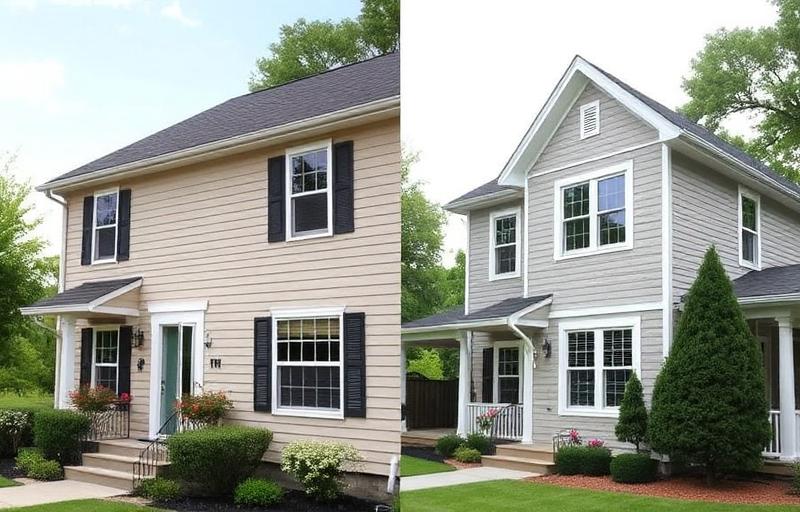
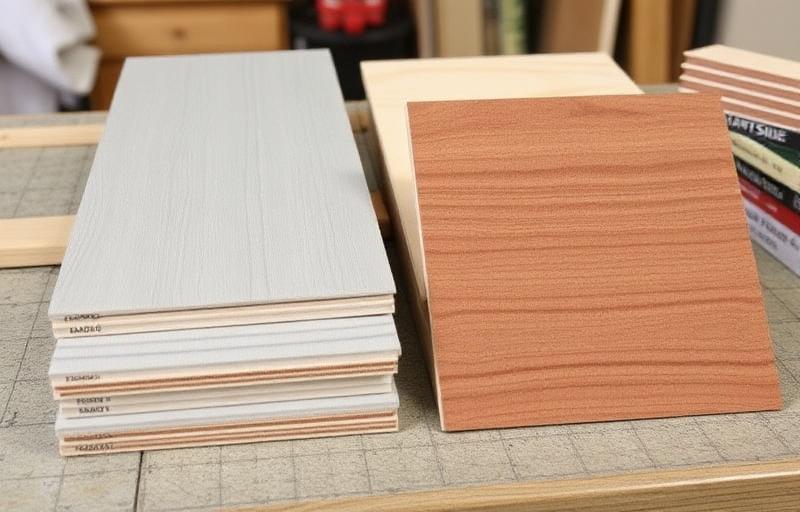
Engineered wood typically requires about 40 to 50 percent less investment than real cedar siding. For most homeowners, the savings are significant enough to influence the decision. The gap narrows somewhat when you factor in the ongoing maintenance costs of real wood over its lifespan.
Appearance
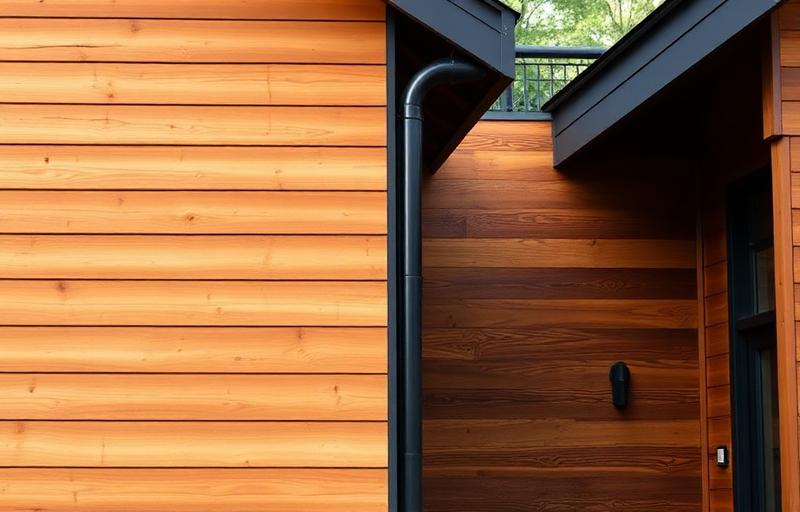
This is where real wood still wins. Natural grain variation, knots, and the depth of real cedar or redwood are hard to replicate completely. Engineered wood has improved dramatically and looks convincing from the street, but up close, experienced eyes can tell the difference.
Maintenance
Real wood needs repainting every 5 to 7 years or restaining every 3 to 5 years. It also needs regular inspection for rot, insect damage, and moisture issues. Engineered wood needs repainting every 8 to 12 years and is treated against pests and decay. Both require maintenance, but engineered wood demands significantly less.
Durability
Engineered wood is more dimensionally stable than real wood. It does not split, crack, or warp the way natural lumber can. Its treated composition resists termites and fungal decay better than untreated wood species. Real cedar and redwood have natural resistance but still require maintenance to perform.
Best Use Cases
Choose real wood for historic homes where authenticity matters, high-end properties where the premium look adds value, and in markets where buyers expect and pay for natural materials. Choose engineered wood for newer homes where the look of wood is desired without the maintenance commitment, and in areas where termite and moisture resistance matter.