The Massachusetts Climate Challenge
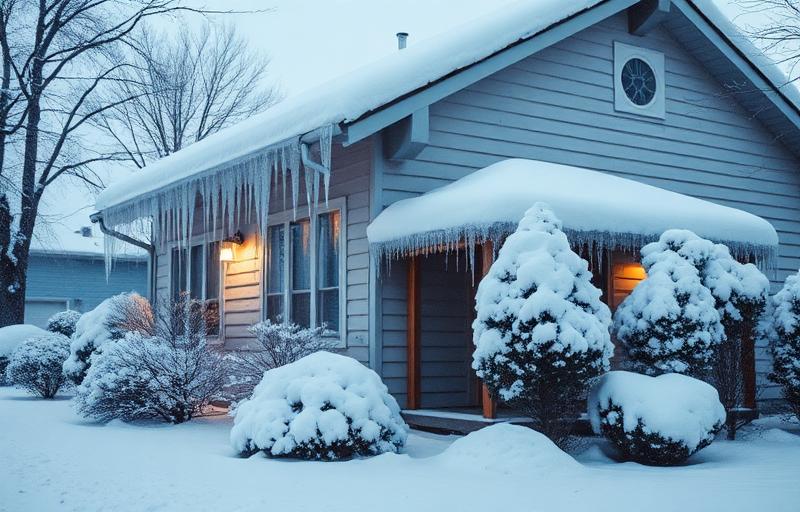
From November through March, Massachusetts homes endure sub-freezing temperatures, heavy snow loads, ice dams, and wind-driven rain. The coast adds salt spray corrosion. Spring brings rapid thaw that finds every gap in failing siding. Summer humidity promotes mold. Your siding gets tested year-round.
Fiber Cement Is the Top Performer
Fiber cement, especially James Hardie HZ5 products, is the top recommendation for Massachusetts homes. It handles freeze-thaw without cracking, resists moisture absorption, and stands up to wind-driven rain. The 30 to 50 year lifespan means you install it once and the job is done for decades.
Vinyl Works for Most Inland Homes
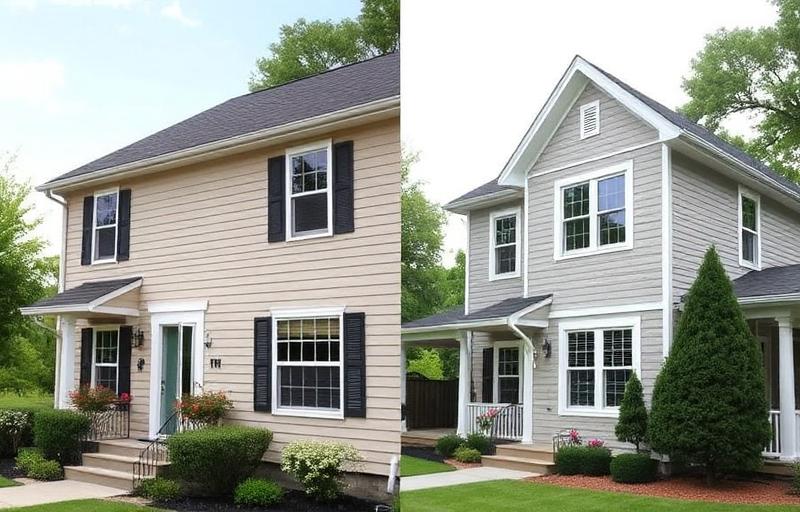
Quality vinyl (0.044 inch or thicker) performs well in most Massachusetts towns away from the immediate coast. Insulated vinyl adds thermal performance that helps with heating efficiency. Avoid thin, builder-grade vinyl that becomes brittle in January temperatures.
Wood Siding Needs More Care Here
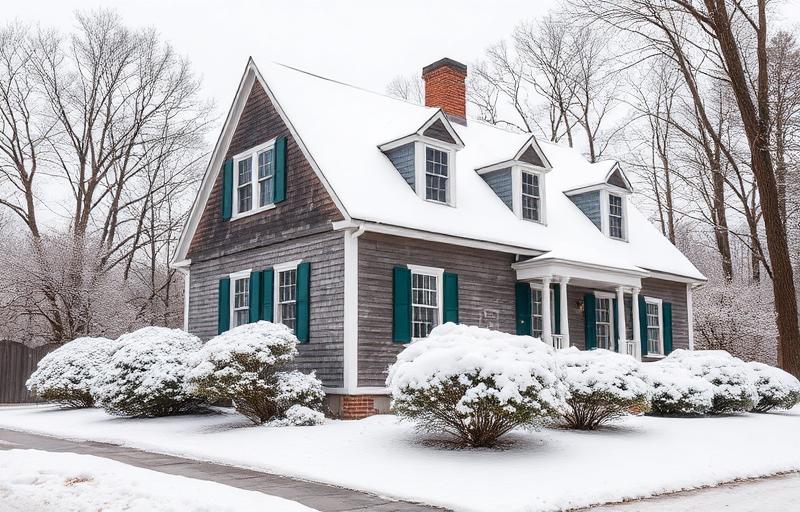
Wood siding has a long history in New England but it requires more maintenance in this climate than in drier regions. Cedar does best. Expect to repaint or restain more frequently than the national average because Massachusetts moisture and temperature swings accelerate finish deterioration.
Coastal Considerations
If your home is within a mile of the coast, salt air corrosion is a real concern. Aluminum siding and fiber cement handle salt air well. Steel siding needs heavy-duty coatings. Vinyl holds up fine against salt but UV exposure accelerates fading on south-facing walls. Cedar with a proper marine-grade finish works but needs frequent attention.