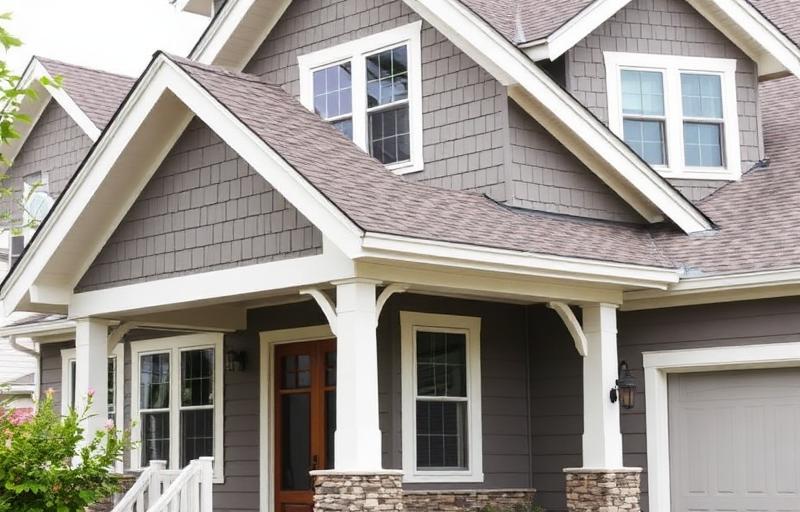
Why Fiber Cement Is Growing Fast
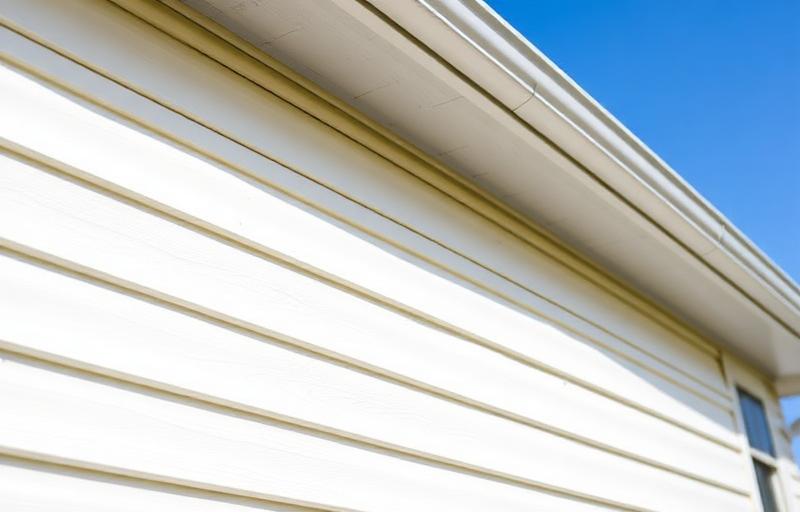
Fiber cement has been gaining market share steadily for the last decade. Homeowners and contractors both appreciate its durability, fire resistance, and the realistic appearance that closely mimics natural wood. It sits in the mid-range between affordable vinyl and premium wood or metal options.
Hardie Board vs Generic Fiber Cement
James Hardie controls roughly 90 percent of the fiber cement market. Their products come with longer warranties, zone-specific engineering (HZ5 for cold climates, HZ10 for warm), and the widest color selection. Generic fiber cement brands work fine for many projects but may not match Hardie on warranty or climate-specific performance.
Factory Finish vs Field Painted
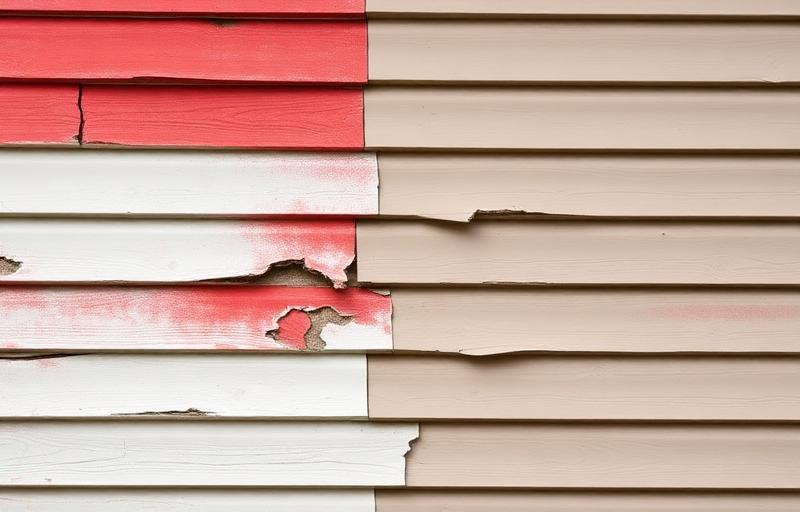
Hardie ColorPlus panels come with a factory-applied finish that carries a 15-year color warranty. Primed panels need field painting after installation, which adds labor and time. Over a 15-year period, factory finish usually works out to be the more cost-effective option when you factor in repainting labor.
Why Installation Requires More Expertise
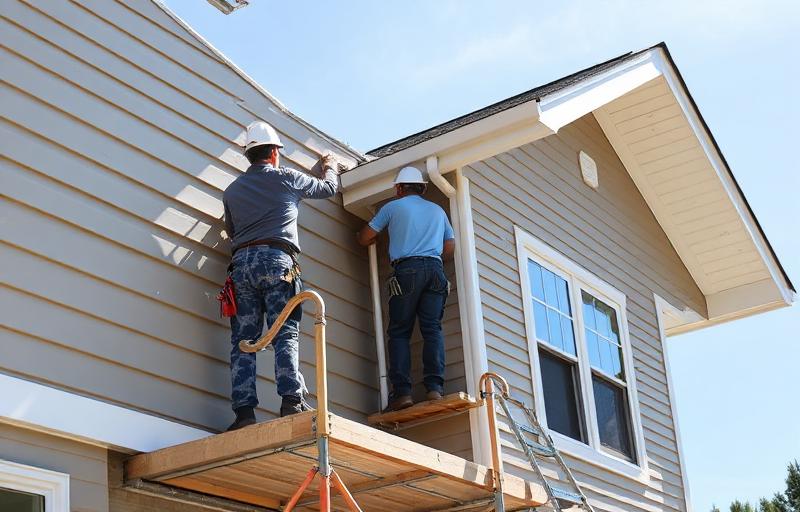
Fiber cement is heavy — roughly 2.5 pounds per square foot compared to under 1 pound for vinyl. It requires special cutting tools, generates silica dust that needs proper safety measures, and takes more labor hours to install. These factors make contractor selection especially important for fiber cement projects.
When Fiber Cement Is the Clear Winner
In fire-prone areas, fiber cement is sometimes mandatory and always a smart choice. In hail-prone regions, it outlasts vinyl. In termite territory, it is immune. And in neighborhoods where curb appeal directly affects home value, fiber cement adds more resale value than any other siding material.