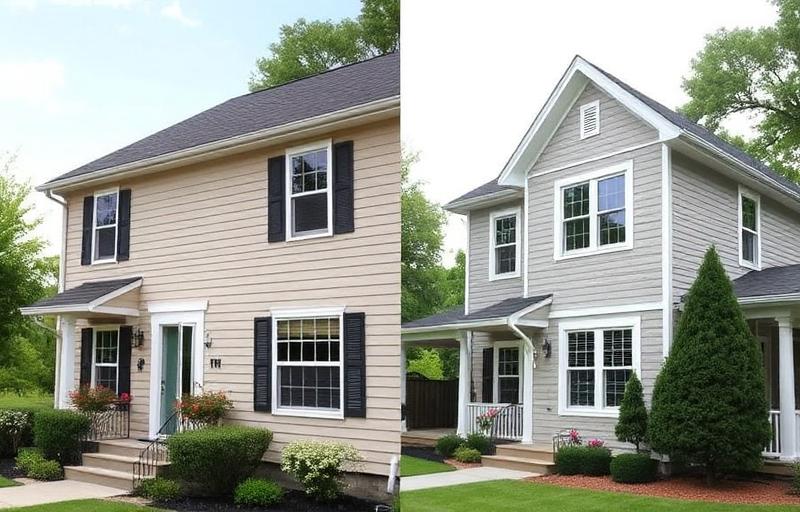
Affordability Comparison
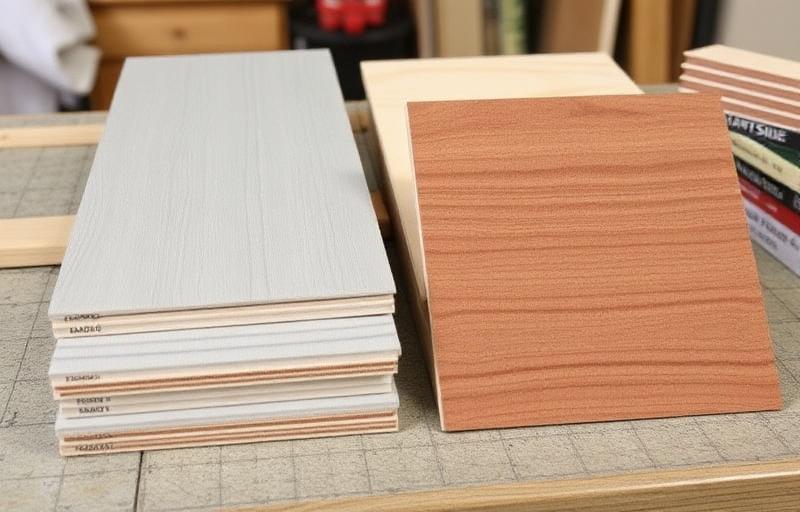
Vinyl is significantly more affordable than fiber cement — often about half the total project investment. For homeowners on a tight budget, vinyl is the clear winner on upfront affordability. However, fiber cement's longer lifespan means you may only install it once compared to potentially twice for vinyl over the same period.
Durability and Lifespan
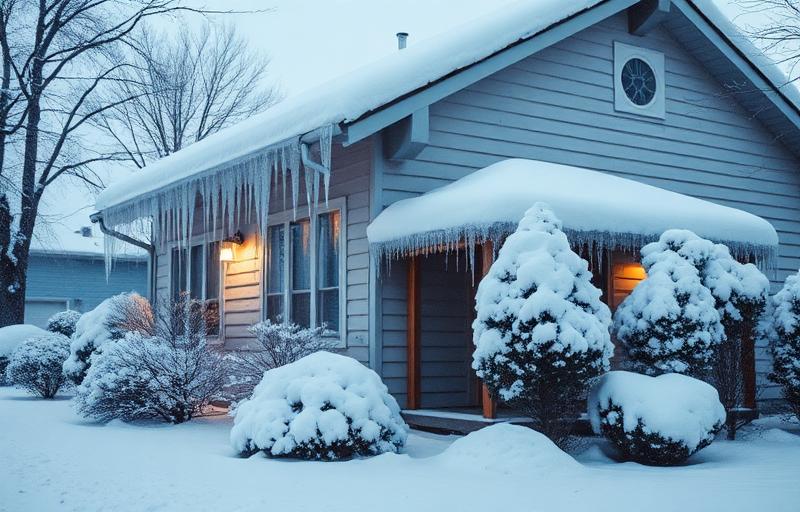
Vinyl lasts 20 to 40 years. Fiber cement lasts 30 to 50 years. But the real difference is how they handle abuse. Fiber cement does not dent, warp, or melt. Vinyl can crack in extreme cold, warp in extreme heat, and melt if a grill gets too close. In harsh climates, fiber cement is the tougher material.
Maintenance Requirements
Vinyl needs almost nothing beyond an occasional rinse with a garden hose. Fiber cement needs repainting every 10 to 15 years unless you buy factory-finished panels. On maintenance alone, vinyl wins. But fiber cement with a factory finish is close.
Appearance and Curb Appeal
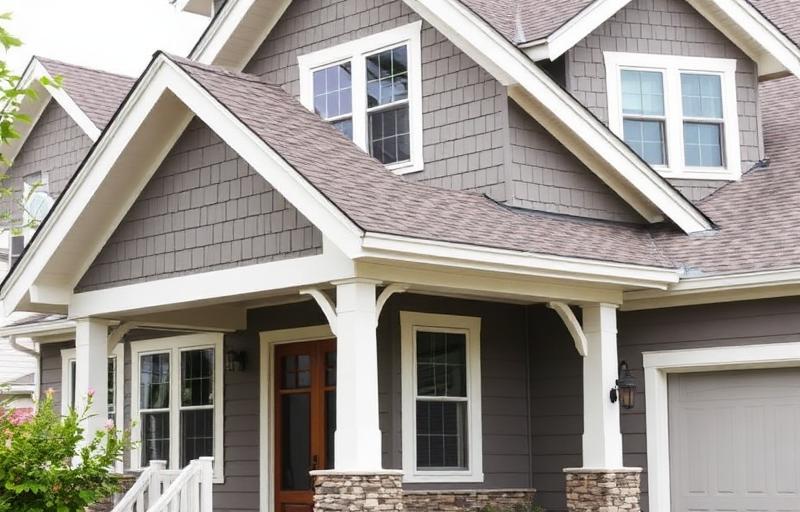
Modern vinyl has come a long way with realistic wood-grain textures and deep shadow lines. But fiber cement still looks more authentic, especially in lap siding and shake profiles. In upscale neighborhoods, fiber cement commands more respect and adds more to home value.
Climate Performance
Vinyl performs well in mild to moderate climates. Fiber cement excels everywhere, including fire zones, hail corridors, and areas with extreme temperature swings. If your home faces severe weather regularly, fiber cement is worth the extra investment.
The Bottom Line
Choose vinyl if budget is your priority, you live in a mild climate, and you want zero maintenance. Choose fiber cement if you live in a harsh climate, want the best resale value, or need fire or impact resistance. Both are solid choices when installed correctly.