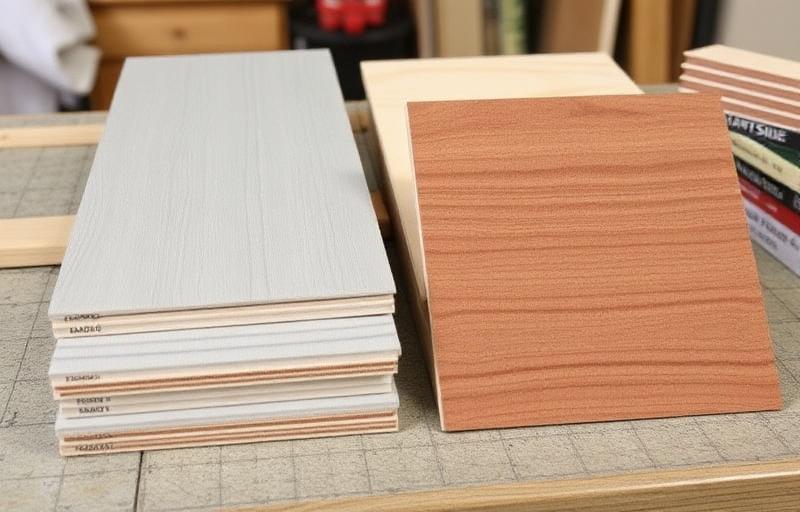
What They Are Made Of
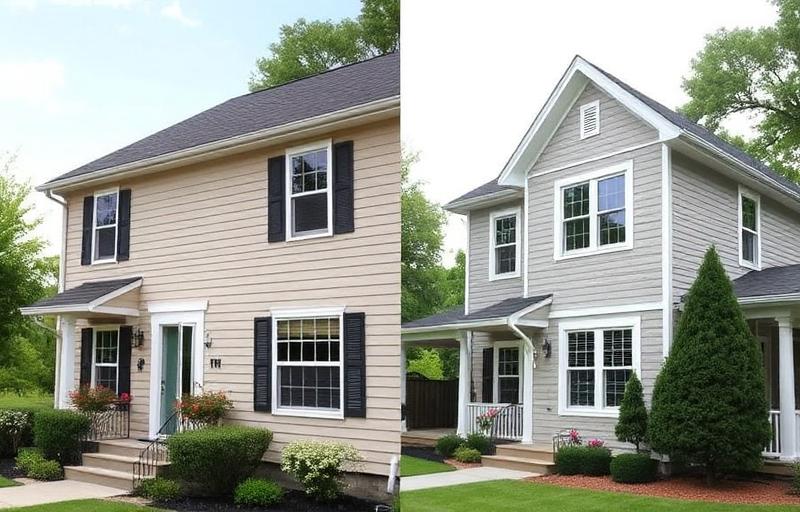
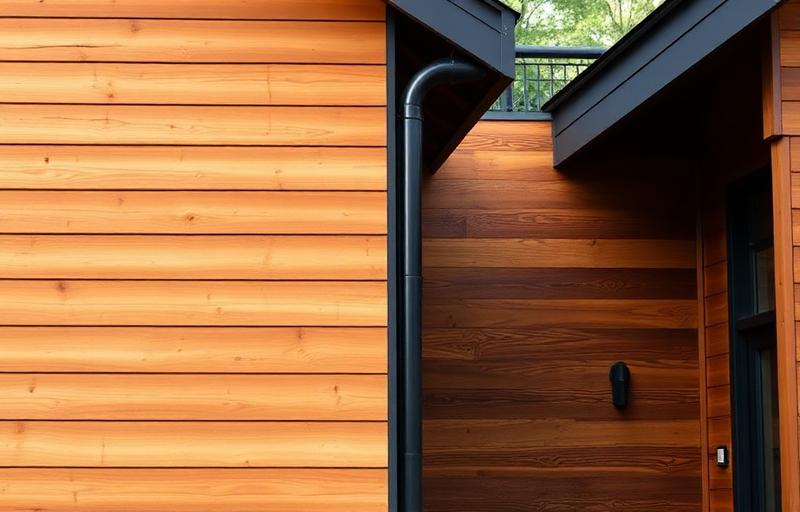
Hardie Board is fiber cement — a mix of Portland cement, sand, and cellulose fibers. LP SmartSide is engineered wood, made from wood strands bonded with resins and treated with zinc borate for pest and decay resistance. Completely different materials with different properties.
Relative Investment
LP SmartSide is typically 25 to 40 percent less expensive than Hardie Board on most projects. The gap narrows when you factor in Hardie ColorPlus factory-finished panels versus the painting requirement for LP SmartSide. Both sit in the mid-to-premium range of siding materials.
Installation Differences
LP SmartSide has a clear installation advantage. It weighs about half as much as Hardie Board, cuts with standard woodworking tools, and installs faster. Hardie Board is heavy, requires diamond-tipped blades, generates hazardous silica dust, and takes more labor hours. Many contractors can complete LP SmartSide projects faster.
Durability and Weather Performance
Hardie Board is non-combustible (Class A fire rating), impervious to termites, and handles moisture exceptionally well. LP SmartSide is treated for termite and decay resistance but is not fireproof. In fire-prone or high-moisture areas, Hardie has the edge. In moderate climates, LP SmartSide performs comparably.
Warranty Comparison
Hardie offers a 30-year non-prorated substrate warranty and 15-year finish warranty on ColorPlus. LP SmartSide offers a 5/50 year warranty: 5 years full replacement value, prorated for the remaining 45. Both are strong warranties. Hardie's non-prorated structure is slightly more favorable to the homeowner.
Which Should You Choose
Choose Hardie Board if you live in a fire zone, high-moisture area, or want the longest-proven track record in fiber cement. Choose LP SmartSide if you want a wood-look product at a lower investment level, live in a moderate climate, and value easier installation and lighter weight.