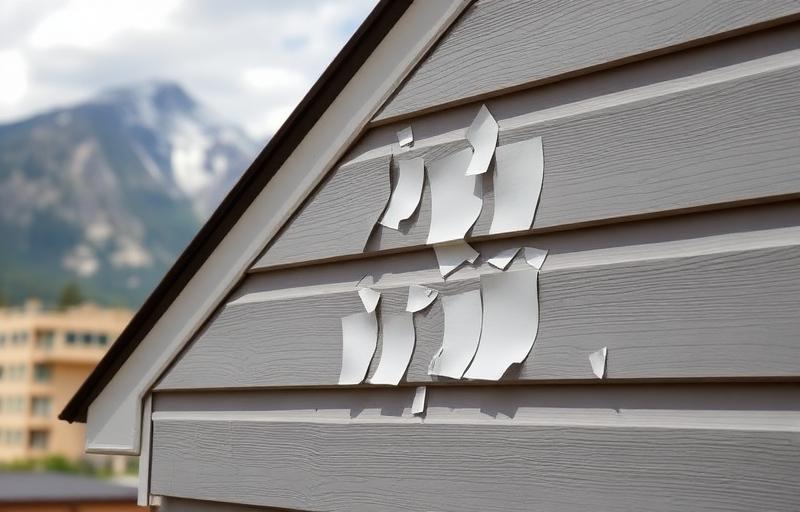
Colorado Hail by the Numbers
The Denver metro area averages 7 to 9 hail events per year. Hailstones over 1 inch in diameter can crack vinyl, dent aluminum, and chip fiber cement. Major hailstorms have caused billions in property damage along the Front Range. Siding that cannot handle impact is a financial liability here.
Impact Ratings Explained
Siding impact resistance is measured by Class ratings from 1 to 4, with Class 4 being the highest. Class 4 materials can withstand a 2-inch steel ball dropped from 20 feet. Some insurance companies offer significant premium discounts for Class 4 rated siding. Ask your agent before choosing materials.
Steel Siding Is the Best for Hail
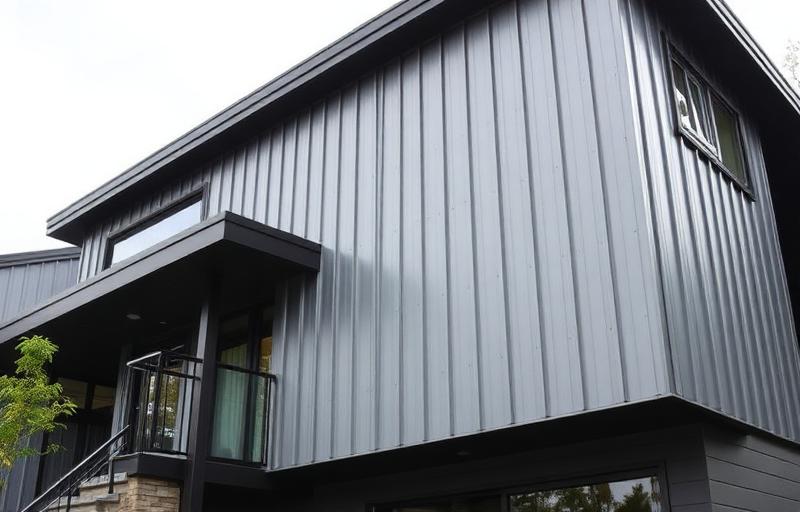
Heavy gauge steel siding (24 gauge or thicker) offers the best hail resistance of any residential siding material. It can earn Class 4 impact ratings and handles direct hits from large hailstones without structural damage. The higher initial investment is often offset by insurance savings and avoided repair costs.
Fiber Cement Performance in Hail
Fiber cement handles small to moderate hail well. Large hailstones (1.5 inches and above) can chip or crack fiber cement panels, but the damage is usually cosmetic rather than structural. Hardie Board products are not rated for Class 4 impact, so they may not qualify for the best insurance discounts.
What About Vinyl in Hail Country
Standard vinyl cracks and shatters on direct hail impact. Impact-resistant vinyl products exist and perform better, but they still cannot match metal or thick fiber cement. If you choose vinyl in Colorado, use the thickest panels available and budget for eventual hail-related repairs.