What Affects Your Siding Choice
The material you choose is the single biggest decision. Vinyl is the most affordable, fiber cement sits in the middle, and wood and metal are at the premium end. Your home size, number of stories, and architectural complexity all affect the project scope. Geographic location matters too — labor rates and climate-specific requirements vary significantly by region.
Vinyl Siding Overview
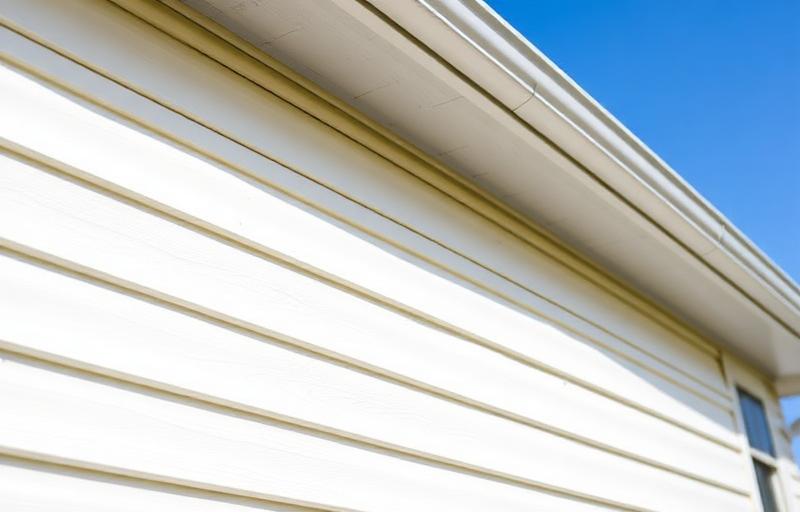
Vinyl remains the most popular and most affordable siding option in the country. It requires almost zero maintenance, comes in hundreds of colors, and lasts 20 to 40 years. Thicker premium panels with better UV resistance hold up significantly better in harsh climates and are worth the upgrade for most homeowners.
Fiber Cement Siding Overview
Fiber cement, including brands like James Hardie, offers a 30 to 50 year lifespan with resistance to fire, rot, termites, and extreme weather. It costs more than vinyl upfront but the longer lifespan and lower maintenance make it competitive over the life of the product.
Wood and Metal Options
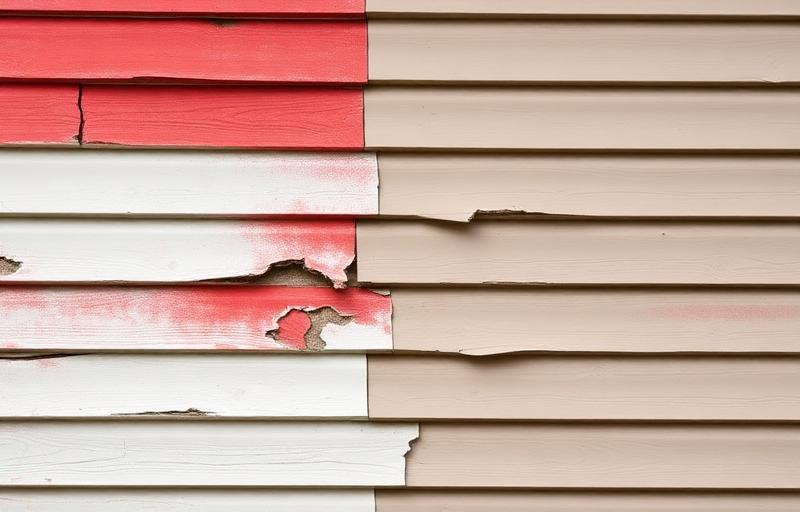
Real wood siding offers unmatched curb appeal but requires the most maintenance. Cedar is the most popular species. Metal siding lasts 40 to 70 years and handles storms better than any other option. Both are premium choices suited to specific situations where their strengths justify the investment.
What Drives the Project Scope Up
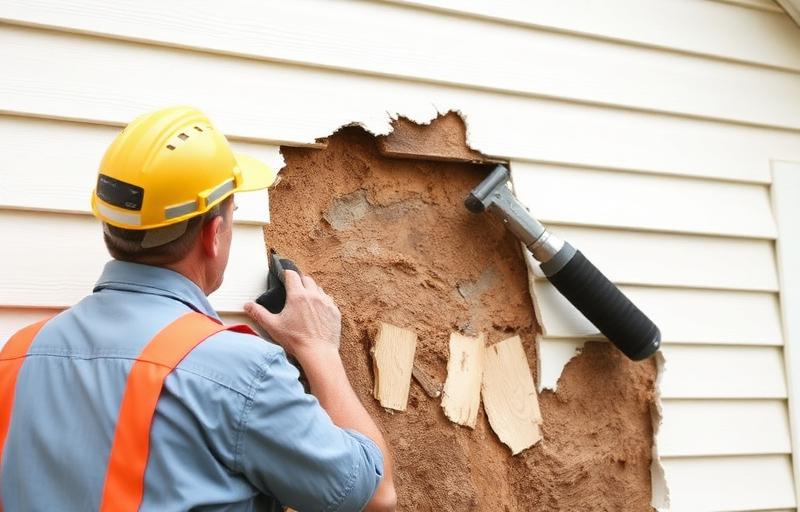
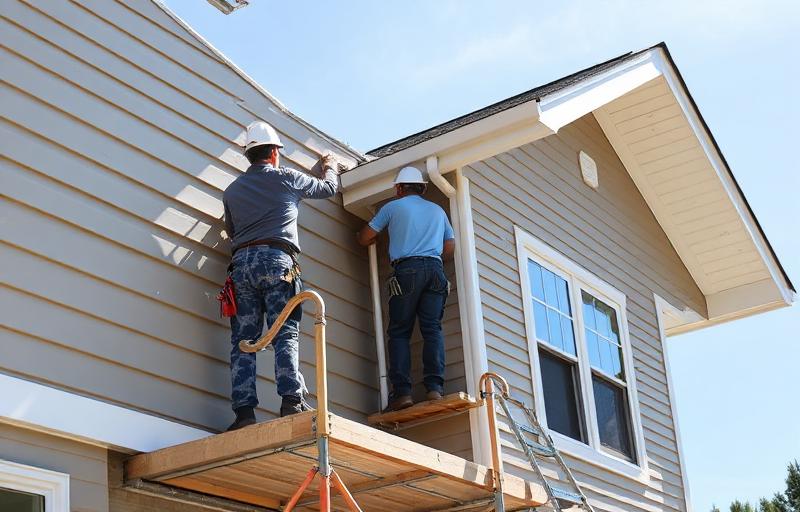
Several factors increase project complexity: multi-story homes require scaffolding and more labor, complex architecture with many corners and angles takes longer to install, removing old siding adds to the scope, and repairing damaged sheathing underneath can be significant. Labor rates also vary by region.
How to Get the Best Value
Get at least three quotes from licensed contractors. Compare them line by line, not just the bottom number. Ask what is included and what is not. Consider scheduling your project in late fall or early winter when contractors are less busy. And never choose the lowest quote without understanding why it is lower.