Fiber Cement Siding Built to Handle What Your Climate Throws at It
Fiber cement is what contractors recommend when homeowners want the look of real wood without the constant upkeep. It resists rot, fire, termites, and harsh weather. The right installer makes all the difference between siding that lasts five years and siding that lasts fifty.
The Real Problem
You love the look of wood siding but you have heard the horror stories. Rot after a few wet seasons. Termite damage nobody saw coming. Constant repainting that eats into your weekends and your wallet. You want something that looks just as good but does not fall apart. That is exactly what fiber cement was designed for.
The longer you wait, the more damage builds up behind the panels. What looks like a small problem — some fading, a few cracks — turns into water getting into the walls. That's how a paint job becomes a structural fix. The first step is an honest look from a qualified contractor.
How Fiber Cement Siding Compares to Other Materials
Understanding how fiber cement siding stacks up against alternatives helps you make the right decision for your home.
| Material | Lifespan | Maintenance |
|---|---|---|
| Fiber Cement ★ | 30–50 years | Repaint every 10–15 years |
| Hardie Board | 30–50 years | Minimal with ColorPlus |
| Vinyl Siding | 20–40 years | Almost none |
| Engineered Wood | 25–40 years | Repaint every 8–12 years |
Thickness Comparison: Which Grade Do You Need?
Standard Lap
Wind Rating: Moderate
Standard residential installations in mild climates
Thick Lap
Wind Rating: High
High-wind zones and homes needing extra durability
Panel / Sheet
Wind Rating: Varies
Modern flat-panel designs and commercial applications
Climate Suitability: Where Fiber Cement Siding Works Best
Fiber cement works great in almost every climate. In cold regions, James Hardie HZ5 is built for freeze and thaw. In hot, humid places, HZ10 handles moisture and UV. In fire zones, fiber cement does not burn — it has a Class A fire rating, which some wildfire areas require. In hail country, it handles small to medium hail but big hailstones can still chip the surface. Near the coast, it stands up to salt and water better than wood or vinyl.
Brand Recommendations
James Hardie owns about 90% of the fiber cement market — for good reason. Their products are made for specific climate zones, carry the longest warranties, and offer the most colors. Nichiha is a strong pick for modern designs because of its unique textures. Allura (by Ply Gem) is a cheaper fiber cement option that works for tight budgets. When you pick a brand, match the product to your climate and ask your contractor how many of those exact panels they have installed before.
Problems Homeowners Face
Warning Signs You Need This Service
- Current siding is cracking, chipping, or showing signs of moisture absorption
- You can see dark staining or mold growth on exterior walls
- Interior walls near the exterior feel damp or show water marks
- Your existing siding material has been discontinued and matching panels are unavailable
- You live in a fire zone and your current siding is combustible
- Multiple patch repairs have not solved the underlying moisture problem
What This Service Includes
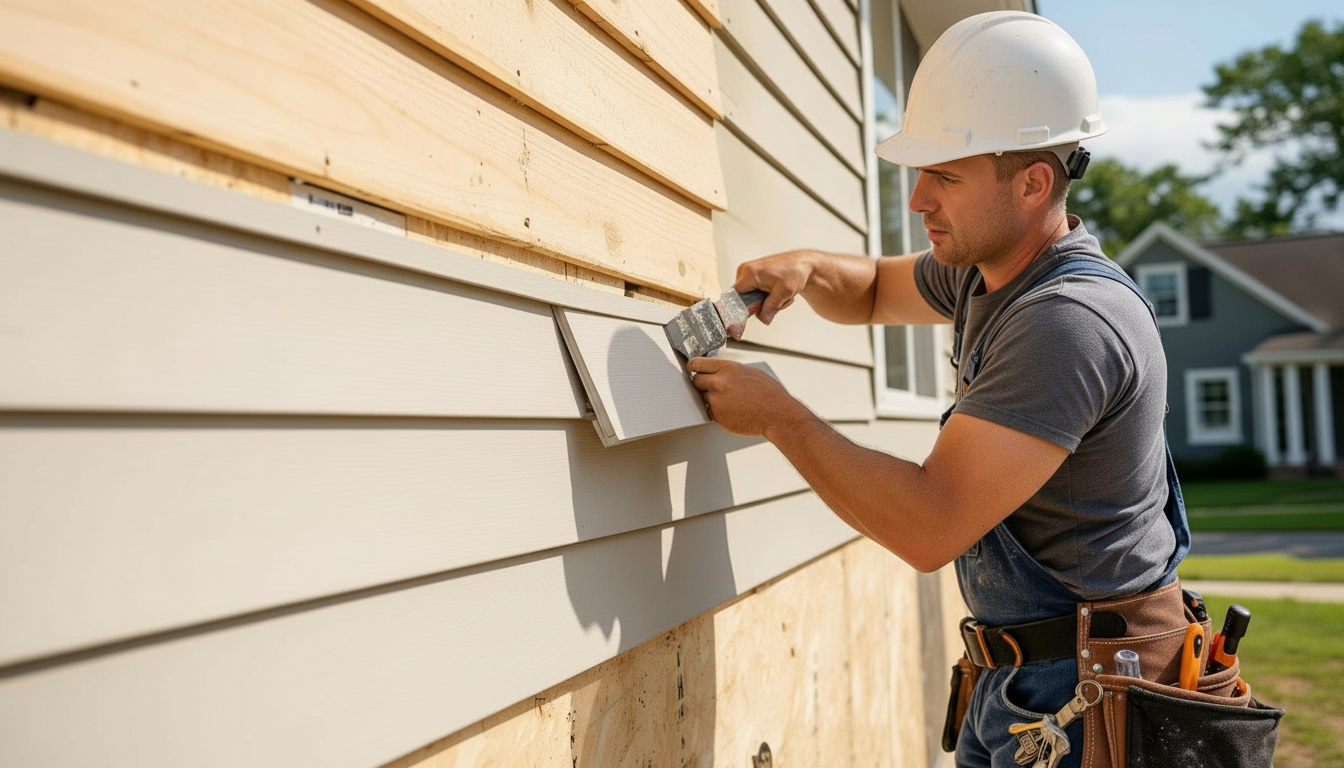
A professional fiber cement siding project is not just about the panels on the wall. It is a multi-step process where each phase protects your home from moisture, weather, and structural damage. Here is what a complete project looks like:
- 1Full home measurement and material calculation
- 2Old siding removal and responsible disposal
- 3Weather-resistant barrier installation
- 4Precision cutting and fitting of fiber cement planks with proper safety equipment
- 5Manufacturer-specified nailing patterns and fastening
- 6Primed and painted finish or factory pre-finished panels
- 7Complete trim, flashing, and caulking at all joints and penetrations
How Long Does Fiber Cement Siding Installation Take?
Fiber cement takes longer than vinyl — usually 5 to 8 days for an average home. The panels are heavy, need special cutting tools, and have to be installed with care. Factory-painted panels save you the painting step but cost more up front. Field-painted panels add 1 to 2 days for the painters after install. Big homes with lots of gables, dormers, or window trim can push the job to 10 to 14 days.
Warranty Information
James Hardie's 30-year non-prorated warranty is one of the strongest in the business. Their ColorPlus factory finish adds another 15 years on the paint. Nichiha offers 50 years. Allura offers 50 years and lets you transfer it to a new owner. Big catch: most fiber cement warranties only stay valid if a trained pro installs it the right way. Wrong nail patterns, missing flashing, or no weather barrier can void the whole warranty. Save your install paperwork and register the warranty.
Do You Need a Permit for Fiber Cement Siding?
Most cities and counties require a building permit for fiber cement. The material is heavy — about 2.5 pounds per square foot — so some places want extra checks to make sure your walls can hold it. Your contractor should pull the permit and book any inspections. In historic districts, you may need extra approval even if the new fiber cement looks just like the old siding.
Why Hiring a Pro Beats DIY
Fiber cement is heavy. Each plank weighs about 2.5 pounds per square foot compared to under one pound for vinyl. It requires diamond-tipped cutting blades. The cuts generate silica dust that requires respiratory protection and proper containment. The nailing patterns are specific and vary by manufacturer. Get them wrong and you void the warranty. This is not a weekend project. Professional fiber cement installers have the equipment, the training, and the experience to do it safely and correctly.
Why Homeowners Choose Siding Contractors USA for Fiber Cement Siding
We are not a contractor — we are a network that connects you with the right contractor for your specific project. Here is what makes our approach different:
Ready to Get Started?
Get a free, no-obligation estimate from a vetted local contractor who specializes in fiber cement siding.
Free Tools to Help With Your Fiber Cement Siding Project
Homeowners Who Needed This Also Looked At
Find Fiber Cement Siding Contractors in Your State
Frequently Asked Questions About Fiber Cement Siding
Fiber cement is a mix of Portland cement, sand, and cellulose fibers. These materials get pressed and cured into planks that are extremely hard and durable. The result is a product that resists things wood cannot, like rot, fire, and insects.
Properly installed fiber cement siding lasts 30 to 50 years. Some manufacturers offer warranties up to 50 years. The key is correct installation with proper flashing and caulking so moisture cannot get behind the panels.
If you live in an area with extreme weather, high fire risk, or termite problems, fiber cement pays for itself over time. It also adds more resale value than vinyl. For mild climates with tight budgets, vinyl can still be a smart choice.
Yes. Fiber cement takes paint beautifully and holds color longer than wood. Most homeowners repaint every 10 to 15 years. Many brands now offer factory-applied finishes that come with 15-year color warranties.
It can crack if it is not handled or installed correctly. Fiber cement is heavy and rigid, so improper nailing or not leaving expansion gaps causes problems. This is why hiring a contractor who specializes in fiber cement matters.
Fiber cement is non-combustible and carries a Class A fire rating, the highest available. It will not ignite, melt, or contribute to flame spread. This makes it a top choice in wildfire-prone areas.
Get Your Free Fiber Cement Siding Estimate
Takes 60 seconds. A local pro will contact you same day.
Other Siding Services You Might Need
We handle every part of your siding project — from material selection to install to long-term repair.
- Vinyl SidingThe most popular choice for a reason. Affordable, durable, low mainten…
- Hardie Board SidingThe gold standard in fiber cement. Backed by a 30-year warranty.
- Wood SidingClassic curb appeal that increases home value when installed properly.
- Metal SidingBuilt for homes that need maximum weather protection.
- Engineered Wood SidingThe smart middle ground between wood looks and vinyl durability.
- Siding InstallationNew home or full exterior overhaul. We find you the right installer.
- Siding RepairA few damaged panels do not mean full replacement. Get it assessed fir…
- Siding ReplacementWhen repair is not enough. Full replacement done right the first time.
- Siding InspectionKnow exactly what you are dealing with before you spend a dime.
Get Fiber Cement Siding in Your State
We connect homeowners with licensed siding pros in all 28 states below.
- MassachusettsMA • Massachusetts puts siding through some of the toughest conditions in the country. Wet summers, brutal winters, freeze-thaw cycles that crack and buckle panels that were not installed properly. Add in the salt air on the coast and you have a recipe for siding that fails fast if you cut corners on materials or installation. climate
- ColoradoCO • Colorado hail is no joke. The Front Range sees some of the highest hail frequency in the entire United States. A single storm can put holes in vinyl panels, crack fiber cement, and strip the surface off wood siding. Then you add the altitude UV exposure that fades everything twice as fast as lower elevations. climate
- MichiganMI • Michigan winters are long and wet. Lake-effect snow dumps moisture against siding for months. Freeze-thaw cycles work their way into every crack and gap. Summer humidity brings mold and mildew. It is a year-round assault on your home exterior. climate
- KansasKS • Kansas sits in the heart of tornado alley. High winds, severe thunderstorms, and hail are annual events. Siding materials need to handle wind uplift and impact without failing. The prairie sun also beats down relentlessly, fading colors fast. climate
- TexasTX • Texas heat is relentless. Summer temperatures above 100 degrees bake siding for months. UV exposure fades colors and degrades materials faster than most other states. In North Texas, you also get occasional hail and severe thunderstorms that add impact damage to the mix. climate
- IndianaIN • Indiana gets the full range of Midwest weather. Hot humid summers, cold snowy winters, and spring storms with hail and high winds. Siding has to handle temperature swings of 100+ degrees between seasons without cracking, warping, or letting moisture in. climate
- FloridaFL • Florida siding does not have to deal with freezing but it deals with everything else. Humidity that never quits, hurricane-force winds, UV that bleaches color in one season, and salt air within miles of any coast. Most mainland siding materials need to be rated specifically for Florida conditions or they fail within five years. climate
- New JerseyNJ • New Jersey gets everything. Hot, humid summers with regular thunderstorms. Cold, snowy winters with nor'easters. Coastal salt air along the shore. The combination tests every siding material and installation method over time. climate
- WashingtonWA • Western Washington is one of the wettest regions in the country. Rain is constant from October through May. Moisture management is the single most important factor in siding performance here. Without proper drainage and ventilation, mold and rot are almost guaranteed. climate
- VirginiaVA • Virginia spans multiple climate zones from the humid coast to the cooler Blue Ridge mountains. The tidewater region deals with hurricanes, moisture, and salt air. Central Virginia gets hot summers and moderate winters. The mountains see heavy snow and freeze-thaw cycles. climate
- IllinoisIL • Illinois weather swings from brutal summer heat and humidity to winters with sub-zero wind chills. The Chicago area gets lake-effect moisture that adds an extra layer of challenge. Wind is constant. Siding installations need to account for extreme temperature ranges and wind-driven rain. climate
- IdahoID • Idaho weather varies dramatically by region. The Treasure Valley around Boise is semi-arid with hot summers and moderate winters. The mountain communities face heavy snow, extreme cold, and wildfire risk. UV exposure at altitude fades siding faster than homeowners expect. climate
- CaliforniaCA • California has the most diverse climate of any state. Southern California deals with wildfire risk, UV radiation, and Santa Ana winds. The coast faces salt air and marine layer moisture. Northern California gets more rain and cooler temperatures. Fire-resistant siding is not optional in many California communities. climate
- OregonOR • Oregon is similar to Washington in the western valleys with heavy rainfall and constant moisture. East of the Cascades is drier and more extreme. The Portland metro area, where most of the population lives, gets consistent rain that makes moisture management the top priority for any siding system. climate
- PennsylvaniaPA • Pennsylvania gets the full four-season experience. Hot humid summers, cold snowy winters, and plenty of rain in spring and fall. The eastern part of the state deals with nor'easters. The western side gets lake-effect weather. Siding needs to handle it all. climate
- MarylandMD • Maryland sits in a transition zone between northern and southern climates. Summers are hot and humid, winters bring snow and ice, and the Chesapeake Bay region adds moisture and occasional coastal storms. The combination creates conditions that test siding in every season. climate
- Washington DCDC • DC has hot, humid summers and moderately cold winters with occasional ice storms. The humidity level is particularly tough on exterior materials, promoting mold growth and accelerating paint deterioration. Historic district regulations may also govern what siding materials you can use. climate
- MissouriMO • Missouri weather is unpredictable. Spring storms bring hail and tornadoes. Summers are hot and humid. Winters can be bitterly cold. Kansas City and St. Louis sit in different micro-climates but both face the full range of Midwest weather extremes. climate
- MinnesotaMN • Minnesota winters are among the harshest in the lower 48. Sub-zero temperatures, heavy snowfall, ice dams, and freeze-thaw cycles put extraordinary stress on siding materials. Summers bring heat and humidity that promote mold growth. Siding here has to survive extremes that most products are never tested for. climate
- North CarolinaNC • North Carolina spans mountains to coast, each with different siding challenges. The mountains get heavy snow and cold. The Piedmont has hot summers and moderate winters. The coast deals with hurricanes, salt air, and constant humidity. Your siding needs depend heavily on where in the state you live. climate
- GeorgiaGA • Georgia heat and humidity are a constant battle for exterior materials. Summers routinely hit the mid-90s with humidity that promotes mold, mildew, and rot if siding is not properly installed with adequate ventilation. Severe thunderstorms and occasional tropical weather add wind and impact damage risk. climate
- New YorkNY • New York State has wide climate variation. NYC and Long Island face coastal weather with salt air and nor'easters. Upstate gets heavy lake-effect snow and bitter cold. The Hudson Valley sits somewhere in between. Siding needs vary significantly depending on your region. climate
- LouisianaLA • Louisiana humidity is the biggest challenge for siding. Year-round moisture promotes mold, mildew, and wood rot faster than almost any other state. Hurricane season brings wind damage risk from June through November. Termites are also a major concern that affects material selection. climate
- TennesseeTN • Tennessee gets hot, humid summers and cool winters with occasional ice storms. The Nashville area sees regular severe thunderstorms with hail and high winds. East Tennessee near the Smokies gets more rain and cooler temperatures. The state's humidity promotes mold and mildew on exterior surfaces. climate
- OhioOH • Ohio weather is driven by its position between the Great Lakes and the Ohio River Valley. Northern Ohio gets lake-effect snow and extended winters. Southern Ohio is more temperate but still gets cold. The whole state deals with humidity, freeze-thaw cycles, and regular severe weather. climate
- New HampshireNH • New Hampshire winters are long, cold, and snowy. The northern part of the state gets extreme cold and heavy snow loads. Southern New Hampshire near the Massachusetts border has slightly milder conditions but still faces freeze-thaw cycles, ice dams, and nor'easters. climate
- MaineME • Maine winters are brutal. Sub-zero temperatures, heavy snowfall, coastal storms, and relentless wind define the Maine climate. Salt air along the coast accelerates corrosion and finish deterioration. Siding in Maine has to be tougher than almost anywhere else in the country. climate
- VermontVT • Vermont winters are long and cold with heavy snowfall. The state's rural character and historic architecture mean many homes have older siding that needs attention. Freeze-thaw cycles are relentless, and the combination of cold, moisture, and wind tests every installation. climate
- ConnecticutCT • Connecticut sits between coastal New England and the Atlantic. Salt air on the Long Island Sound shore eats through cheap aluminum and untreated wood. Inland, you get full New England winters with freeze-thaw cycles that crack panels installed without proper expansion gaps. Nor'easters drive horizontal rain straight at any siding gap that wasn't sealed right. climate
- MississippiMS • Mississippi humidity is brutal on siding. Summer dew points stay in the 70s for months and that moisture finds every gap, every nail hole, every place where flashing wasn't installed right. Hurricane season brings 100+ mph wind gusts that tear improperly fastened panels off entire walls. Add the year-round termite pressure on wood siding and you have a state where material choice and installation quality matter more than almost anywhere else. climate